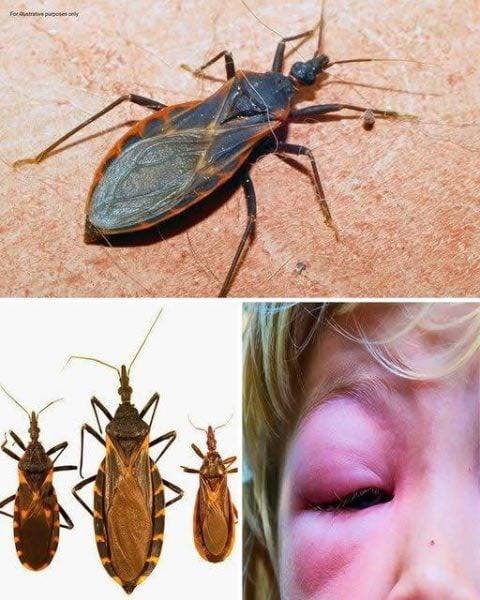
Kissing Bugs: The Silent Nighttime Biters and Their Hidden Dangers
Kissing bugs, scientifically known as triatomines, are one of the most concerning blood-feeding insects in the Americas. Although small and often unnoticed, these nocturnal pests pose a very real threat to both humans and animals, especially in regions where disease transmission is common. Understanding how they behave, where they live, and why they are dangerous is crucial for prevention and awareness.
What Are Kissing Bugs?
Kissing bugs are part of the Reduviidae family, a group of insects that feed primarily on blood. Unlike mosquitoes that hover briefly on the skin, kissing bugs prefer prolonged contact, using their elongated mouths to pierce skin and consume blood while their hosts are asleep.
Their nickname, “kissing bugs,” comes from their tendency to bite the areas around the mouth and eyes—a result of their attraction to the carbon dioxide people exhale.
How Kissing Bugs Operate at Night
Triatomines are almost entirely nocturnal. During the day, they hide in dark, sheltered spaces, avoiding humans and predators. At night, when people are resting and vulnerable, the insects search for warm-blooded hosts.
Stealthy Feeding Behavior
Kissing bugs’ saliva contains an anesthetic agent that numbs the skin. Because of this natural numbing effect:
- Most people don’t feel the initial bite.
- The bug can feed for several minutes undetected.
- Clusters of small, red marks often appear only hours later.
These bites are commonly found on the face, especially around the lips and eyes, because kissing bugs are drawn to the warm breath and carbon dioxide humans exhale during sleep.
Where They Live and How They Enter Homes
In the wild, kissing bugs typically inhabit:
- Wooded or brushy areas
- Rodent nests
- Bird nests
- Rock piles
- Outdoor doghouses or chicken coops
However, they are opportunistic invaders and can enter homes in several ways. Even a house that appears sealed can be penetrated through:
- Cracks in walls
- Gaps under doors
- Torn window or door screens
- Gaps around roofs or attics
Once inside, they hide in dark, undisturbed areas such as under mattresses, inside wall crevices, beneath furniture, or behind photos and decorations.
Why Kissing Bugs Are Dangerous
Perhaps the biggest concern surrounding kissing bugs is their connection to Chagas disease, a potentially life-threatening illness caused by the parasite Trypanosoma cruzi.
What Is Chagas Disease?
Chagas disease is a parasitic infection with two phases:
- Acute phase: mild symptoms like fever, fatigue, and swelling near the bite
- Chronic phase: can lead to severe heart problems, arrhythmias, enlarged organs, or even heart failure years later
What makes transmission unique is that the bug does not transmit the parasite through its bite. Instead, the parasite lives in the bug’s feces. After feeding, kissing bugs often defecate near the wound. If the person scratches the area or the feces enters the bite, eyes, or mouth, the parasite can enter the body.
While Chagas disease affects millions of people worldwide, it is especially common in:
- South America
- Central America
- Mexico
Cases in the southern United States have also been reported, although much less frequently.
Regions Where Kissing Bugs Are Especially Common
Kissing bugs are most prevalent in:
- Rural and semi-rural regions of Latin America
- Poorly constructed homes with thatched roofs or cracked walls
- Areas where domestic animals sleep close to humans
In these regions, the bugs thrive because they have easy access to both shelter and hosts.
Prevention and Protection Tips
Although kissing bugs can be alarming, there are effective ways to reduce the risk of encountering them:
At Home
- Seal cracks in walls, windows, and doors
- Install or repair window and door screens
- Keep the sleeping area clean and away from walls
- Reduce clutter where bugs can hide
For Pets and Outdoor Areas
- Keep dog sleeping areas away from the home
- Clean out animal pens or chicken coops regularly
- Remove rodent nests around the property
When Traveling
- Stay in well-constructed, sealed accommodations
- Inspect sleeping areas in rural regions
Conclusion
Kissing bugs are more than just a nuisance—they are stealthy nighttime feeders capable of transmitting a dangerous parasite in certain parts of the world. By understanding their habits, recognizing where they live, and taking practical steps to prevent their entry into homes, individuals can drastically reduce their risk of exposure.
Awareness is the first line of defense. With proper knowledge and precautions, communities can stay safer from the hidden dangers these insects bring.