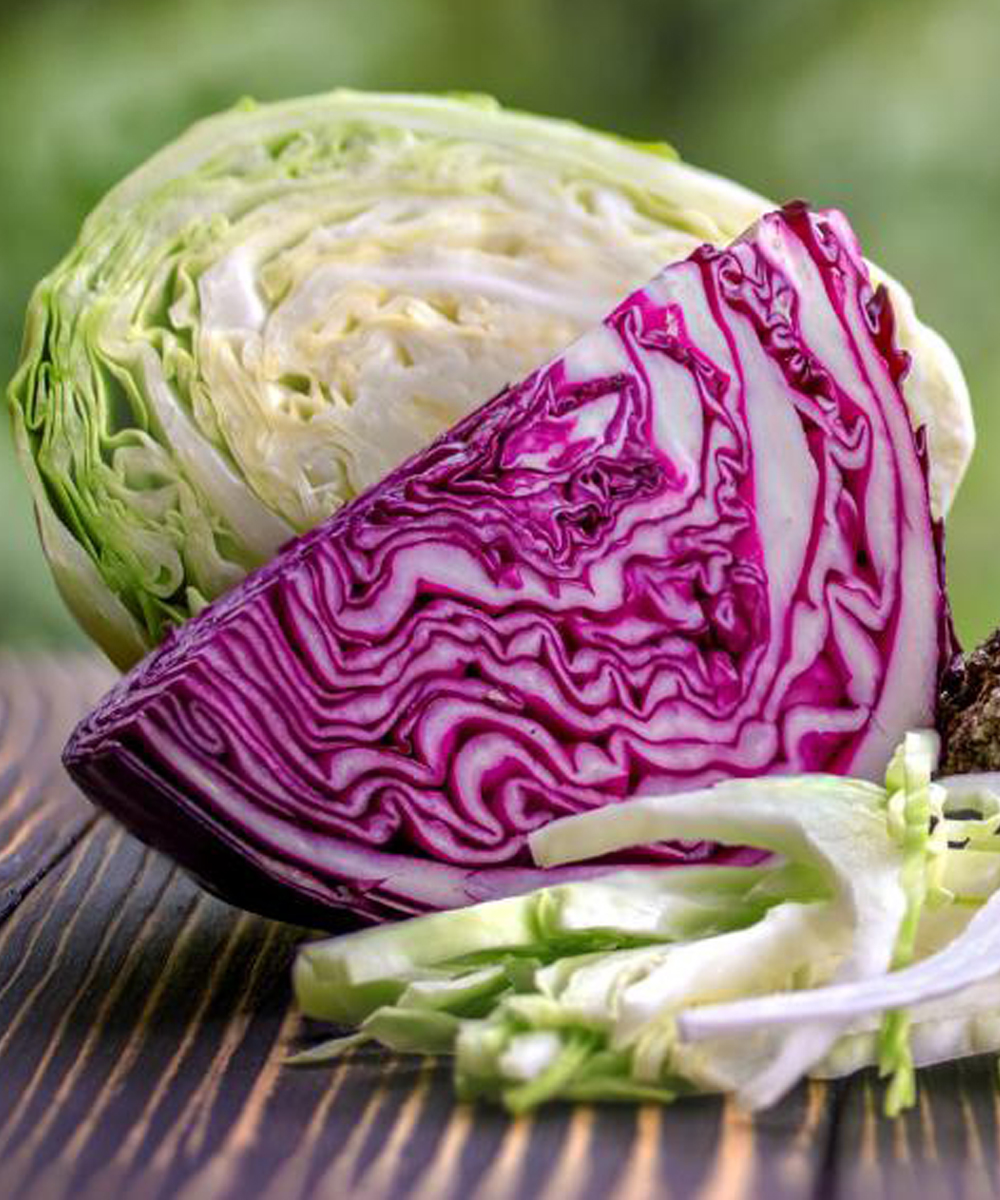
While cabbage is highly nutritious, containing vitamins C and K, fiber, and antioxidants, certain health conditions require caution with its consumption. For most people, enjoying cabbage 3-4 times a week is a healthy choice.
The table below details the key health considerations for specific groups:
| Health Condition/Medication | Primary Concern with Cabbage | Key Recommendation |
|---|---|---|
| Taking Anticoagulants (e.g., Warfarin) | High Vitamin K content can reduce medication effectiveness. | Maintain consistent intake; do not suddenly eat large or small amounts. Inform your doctor of your diet. |
| History of Calcium-Oxalate Kidney Stones | Contains oxalates, which can contribute to stone formation. | Limit frequency, cook cabbage, and drink plenty of water to dilute urine. |
| Hypothyroidism (Underactive Thyroid) | Contains goitrogens, which may interfere with iodine absorption if consumed raw in very large amounts. | Eat cooked cabbage (heat inactivates goitrogens) and space apart from thyroid medication. |
| Bloating or Irritable Bowel Syndrome (IBS) | High in FODMAPs, which can cause gas, bloating, and abdominal pain. | Limit portion size, eat cooked cabbage, and avoid raw or fermented forms like sauerkraut. |
Tips for Healthy Cabbage Consumption
For everyone, including those with the above considerations, these preparation methods can help maximize benefits and minimize discomfort:
- Cook It: Steaming, boiling, or stir-frying cabbage makes it easier to digest and reduces compounds like goitrogens and FODMAPs.
- Pair Wisely: Eating cabbage with digestion-friendly ingredients like ginger, garlic, or caraway seeds can help reduce gas.
- Mind the Timing: Avoid eating large amounts of raw cabbage, especially in the evening or on an empty stomach, to prevent digestive upset.
Understanding the “Why” Behind the Advice
- Vitamin K & Blood Thinners: Warfarin works by antagonizing vitamin K. A sudden, large increase in vitamin K intake (from foods like cabbage) can counteract the medication’s effect.
- Goitrogens & Thyroid Function: Goitrogens can interfere with thyroid hormone production, but this is primarily a concern only if you have an existing iodine deficiency and consume very large, raw amounts daily. Cooking effectively neutralizes most goitrogenic activity.
- FODMAPs & Digestion: Cabbage contains short-chain carbohydrates (FODMAPs) that are poorly absorbed in the small intestine. They draw water into the gut and are fermented by bacteria, causing gas and bloating in sensitive individuals.
In summary, cabbage is a healthy vegetable for most, but being aware of these interactions allows for informed choices. If you have one of the mentioned conditions, you can often still enjoy cabbage by following the simple preparation and consumption guidelines above.
If you manage a specific health condition and would like more tailored advice on incorporating vegetables into your diet, feel free to ask.