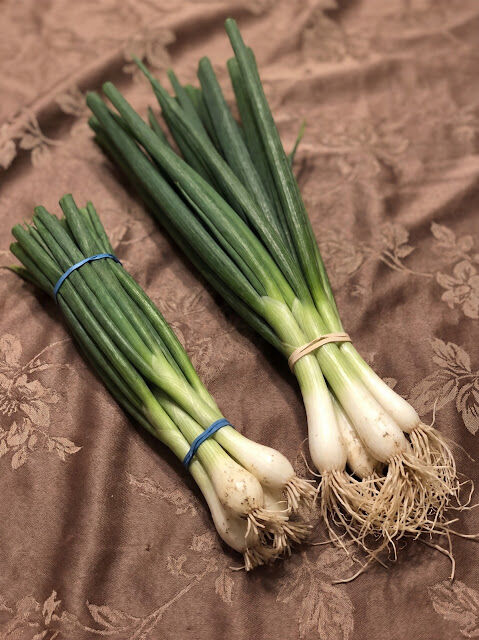
Green onions, scallions, spring onions, and chives are often grouped together because of how similar they look at first glance. Their long green tops and pale bases can make them seem interchangeable, especially when you are moving quickly through the produce section. However, each of these ingredients has its own identity, and understanding their differences can make a noticeable impact on the way your food tastes and turns out. When you know which one to use and when, cooking becomes more intentional, efficient, and enjoyable.
At a basic level, all of these plants belong to the allium family, which includes onions, garlic, leeks, and shallots. This family is known for its distinct aroma and flavor profile that can range from sharp and pungent to soft and slightly sweet. Despite their shared background, green onions (also known as scallions), spring onions, and chives differ in maturity, structure, taste, and culinary use. These differences matter more than many people realize, especially when a recipe relies on subtle flavor balance.
Starting with green onions and scallions, it is important to clear up one of the most common points of confusion: they are actually the same thing. The two names are used interchangeably depending on region, but they refer to the same plant. These are young onions that are harvested before they have had the chance to develop a full bulb. Because of this early harvest, they have a long, slender shape with a small white base and hollow green leaves extending upward.
The flavor of green onions or scallions is mild compared to regular onions. The white base carries a slightly stronger onion taste, while still being far less intense than a fully matured onion. The green tops, on the other hand, are much more delicate and fresh, with a gentle bite that does not overpower other ingredients. This balance makes them incredibly versatile in the kitchen.
One of the reasons green onions are so popular is that nearly the entire plant is usable. There is very little waste, which makes them both economical and convenient. The white part can be chopped and used in cooking as a flavor base, similar to how you might use diced onion or garlic. Meanwhile, the green tops can be sliced and used as a garnish, adding both flavor and visual appeal to a dish.
In raw preparations, green onions shine in salads, salsas, and cold noodle dishes. Their mildness allows them to blend well with other ingredients without dominating the flavor profile. When cooked, they soften quickly and become slightly sweeter, making them a great addition to soups, scrambled eggs, stir-fries, and rice dishes. Because they cook so fast, they are often added toward the end of the cooking process to preserve their fresh taste and texture.
Moving on to spring onions, these are often mistaken for scallions due to their similar appearance, but they are actually more mature. Unlike green onions, spring onions have had more time to grow, which allows them to develop a small bulb at the base. This bulb is not as large or as fully formed as that of a standard onion, but it is enough to change both the texture and flavor of the plant.
The presence of this bulb gives spring onions a stronger and slightly sweeter flavor compared to scallions. While they are still milder than fully grown onions, they offer more depth and richness. This makes them particularly useful in dishes where you want a noticeable onion presence without the sharpness that can sometimes overpower other ingredients.
The bulb of a spring onion can be used much like a regular onion. It can be sliced and sautéed to form the base of a dish, adding sweetness and aroma as it cooks. It also responds well to grilling and roasting. When cooked whole, spring onions develop a tender texture and a caramelized flavor that can elevate simple dishes. Drizzling them with a bit of oil and placing them on a grill or in an oven can bring out their natural sugars and create a slightly smoky, sweet taste.
The green tops of spring onions are also edible and can be used similarly to scallion greens. They make a great garnish or finishing touch, adding color and a mild onion flavor. This dual-purpose nature makes spring onions a flexible ingredient, suitable for a wide range of recipes from hearty meals to light salads.
Chives, on the other hand, are quite different from both scallions and spring onions. While they still belong to the allium family, they are classified as an herb rather than a vegetable. Their appearance reflects this distinction. Chives have very thin, solid stems that resemble blades of grass, and they do not develop a bulb at the base.
The flavor of chives is much more delicate than that of other alliums. They provide a subtle onion-like taste that enhances a dish without standing out too strongly. Because of their mildness, chives are typically used as a finishing ingredient rather than a primary component.
Chives are best used raw or added at the very end of cooking. Heat can quickly diminish their flavor, so prolonged cooking is not ideal. Instead, they are often finely chopped and sprinkled over dishes just before serving. This helps preserve their fresh taste and bright green color.
They pair especially well with foods that benefit from a light touch of onion flavor. Soups, dips, eggs, and potato dishes are classic examples. A sprinkle of chives over a creamy soup or a baked potato can add both visual contrast and a hint of sharpness that balances richness. They are also commonly used in compound butters, soft cheeses, and salad dressings.
Understanding when to use each of these ingredients can help prevent common cooking mistakes. For example, substituting chives for scallions in a recipe that requires a stronger onion flavor may result in a dish that tastes flat or incomplete. On the other hand, using spring onions in place of chives could overpower more delicate ingredients.
Texture also plays an important role in choosing the right option. Scallions and spring onions have more structure and can hold up better to cooking, while chives are soft and best suited for garnishing. Paying attention to both flavor and texture ensures that each ingredient contributes positively to the final dish.
Another factor to consider is preparation. Green onions and scallions require minimal prep—usually just trimming the ends and slicing. Spring onions may need a bit more attention if the bulb is larger, as it might require peeling or longer cooking time. Chives, being delicate, should be handled gently and cut with sharp tools to avoid bruising.
Storage can also affect how these ingredients perform. Green onions and spring onions are typically stored in the refrigerator, often with their roots wrapped or placed in a bit of water to extend freshness. Chives are more perishable and should be used relatively quickly, ideally kept in a cool, dry place or lightly wrapped in the fridge.
From a practical standpoint, knowing these differences can also help reduce food waste. Choosing the right ingredient means you are less likely to discard unused portions or end up with a dish that does not meet your expectations. It also allows you to make better substitutions when necessary, adapting recipes to what you have on hand without sacrificing quality.
In everyday cooking, it is easy to overlook the importance of small details like the type of onion used. However, these details often make the difference between a dish that is simply acceptable and one that is truly satisfying. Green onions, scallions, spring onions, and chives each bring something unique to the table, and using them thoughtfully can enhance both flavor and presentation.
As you become more familiar with these ingredients, you may find yourself experimenting more in the kitchen. You might try grilling spring onions as a side dish, adding scallions to a quick stir-fry, or finishing a creamy soup with a sprinkle of fresh chives. Each choice contributes to a more nuanced and enjoyable cooking experience.
Ultimately, the goal is not to memorize strict rules but to develop an intuitive understanding of how these ingredients work. With a bit of practice, recognizing their differences becomes second nature. You will be able to select the right option quickly and confidently, improving both your efficiency and the quality of your meals.
By paying attention to factors like flavor intensity, texture, and best use, you can make more informed decisions in the kitchen. Whether you are preparing a simple weekday meal or something more elaborate, the right choice of ingredient can elevate the entire dish. Over time, these small improvements add up, making cooking more rewarding and your food more enjoyable.