Share
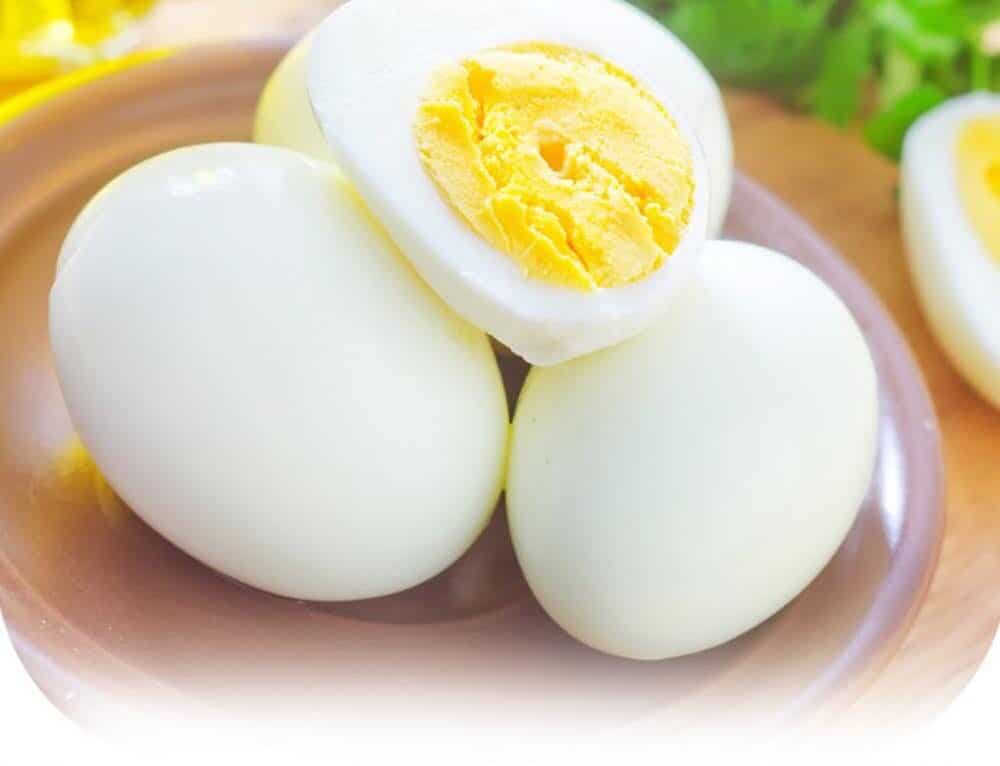
Hard-boiled eggs often register as background food—reliable, inexpensive, uncomplicated. They show up in lunchboxes, salads, and quick breakfasts without demanding attention. Yet behind that plain shell is a food with unusual nutritional efficiency, a long history, and a few quiet surprises. What seems simple turns out to be more layered than most people realize.
Here are eleven lesser-noticed facts that explain why hard-boiled eggs have endured so well.
1. They’re among the most commonly chosen egg preparations
Across much of the United States, hard-boiled eggs consistently rank near the top among egg preparations. Their popularity has less to do with flavor preference and more to do with convenience: they store well, travel easily, and require no reheating.
2. They deliver complete protein in a small package
One large hard-boiled egg provides roughly six grams of complete protein, containing all nine essential amino acids. That makes it a compact, efficient source of nourishment, particularly useful when appetite or time is limited.
3. Eggs are no longer viewed as a dietary villain
Earlier concerns linking eggs to heart disease have softened. Current evidence suggests that moderate egg consumption does not increase cardiovascular risk for most people and may help raise HDL (“good”) cholesterol in some cases.
4. Boiling is one of the gentlest cooking methods
Compared to frying or scrambling at high heat, boiling exposes eggs to relatively stable temperatures and requires no added fat. This helps preserve nutrients and avoids chemical changes associated with overheated oils.
5. Peeling frustration is common—and situational
There is no universal peeling method that works every time. Techniques like peeling under running water, rolling the shell, steaming instead of boiling, or cracking the wider end all work differently depending on the egg’s age and structure.
6. Very fresh eggs are harder to peel
As eggs age, carbon dioxide slowly escapes through the shell, slightly raising the internal pH. This change loosens the bond between the egg white and the shell membrane, making older eggs easier to peel after boiling.
7. Boiling shortens shelf life
While raw eggs can last several weeks in the refrigerator, hard-boiled eggs should generally be eaten within about seven days. Cooking removes the shell’s natural protective barrier, increasing susceptibility to spoilage.
8. Boiled eggs are ancient food
Long before refrigeration, people relied on boiled eggs as a portable, filling source of nourishment. Archaeological and historical evidence suggests they’ve been eaten across cultures for thousands of years for the same reasons we value them today.
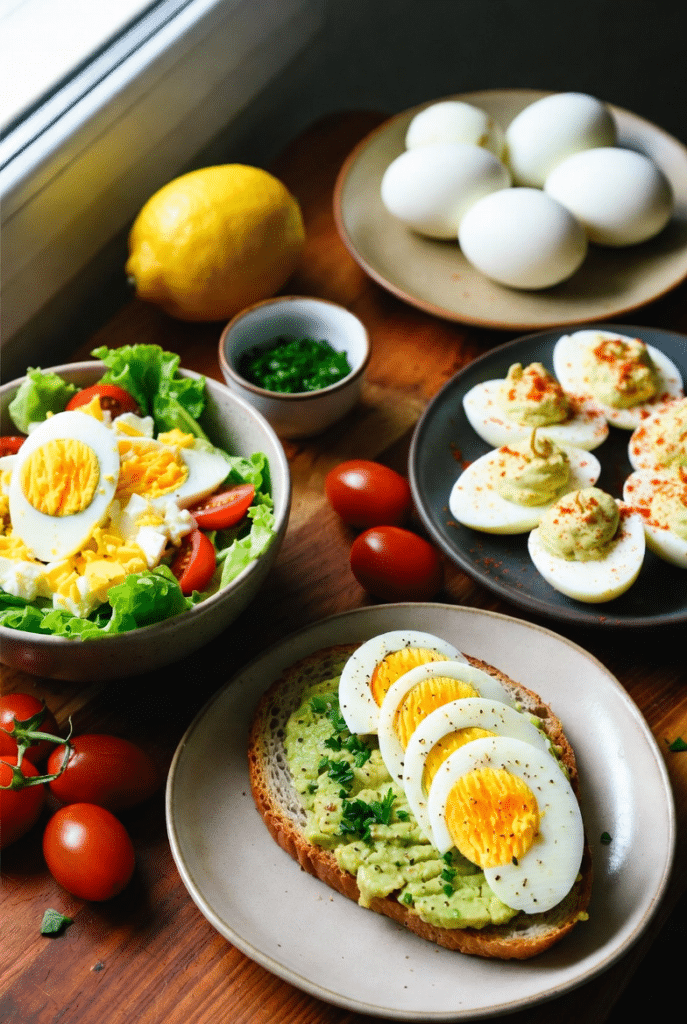
9. They adapt easily to many dishes
Hard-boiled eggs can be sliced, chopped, mashed, or filled. They appear in salads, spreads, soups, grain bowls, and sandwiches, offering structure and protein without overpowering other ingredients.
10. Subtle flavor can be added during cooking
While eggs won’t absorb strong flavors through the shell, adding salt or aromatics to the cooking water can slightly influence taste and improve seasoning, especially when the eggs are later used in composed dishes.
11. Their texture makes them versatile beyond snacking
Hard-boiled eggs can be transformed into fillings, toppings, or bases for sauces and spreads. Their balance of firmness and creaminess makes them adaptable rather than limiting.
The takeaway
Hard-boiled eggs endure not because they are flashy, but because they are reliable. They offer dense nutrition, long cultural history, and practical flexibility in a form that asks very little in return. Their simplicity isn’t emptiness—it’s refinement.
Sometimes the most unassuming foods last the longest for a reason.