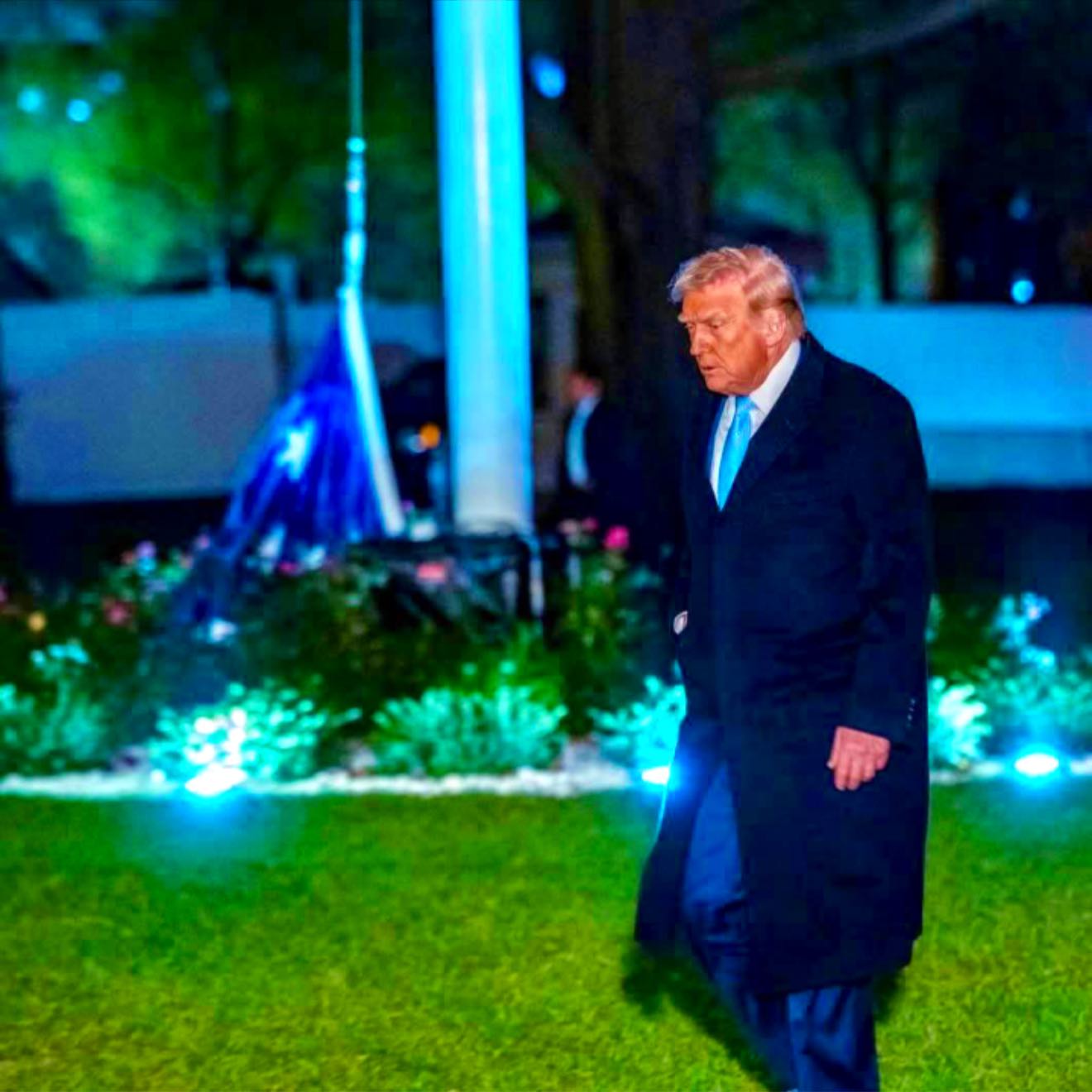
Former President Donald Trump was formally charged on Thursday with four serious federal offenses connected to his alleged efforts to overturn the 2020 U.S. election results. The indictment includes charges of conspiracy to defraud the United States, conspiracy to obstruct an official proceeding, obstruction and attempt to obstruct an official proceeding, and conspiracy to violate constitutional rights — all tied to his actions surrounding the certification of electoral votes on January 6, 2021.
According to prosecutors, the charges stem from what they describe as a coordinated effort to subvert the lawful transfer of power after Trump’s election loss. The indictment alleges that Trump and his associates spread false claims of widespread voter fraud, pressured state officials to alter certified results, and sought to delay or block Congress from confirming Joe Biden’s victory.
Trump has denied any wrongdoing, calling the case a politically motivated “witch hunt” designed to damage his 2024 presidential campaign. His legal team argues that his statements and actions were protected under the First Amendment as part of his right to challenge election outcomes.
The charges mark one of the most consequential moments in American political and legal history, setting the stage for a courtroom battle that could test the boundaries of presidential accountability. If convicted, Trump could face severe penalties — but politically, the case is certain to intensify divisions across the country as the 2024 election draws closer.